
Quick answer: A solar panel warranty can be voided by do-it-yourself repairs, opening sealed parts such as the junction box, using a pressure washer or harsh chemicals to clean the panels, modifying the system without the manufacturer’s approval, having repairs done by an uncertified technician, removing and reinstalling panels without authorisation, failing to register the warranty, or waiting too long to report a fault. Most of these mistakes are easy to avoid once you know the rules — and they matter, because a voided warranty can leave you paying the full cost of a replacement panel yourself. Always read your warranty terms before you touch, clean, or change anything on your system.
Table of Contents
- What Does a Solar Panel Warranty Actually Cover?
- Mistake 1: DIY Repairs and Opening Sealed Components
- Mistake 2: Hiring an Uncertified Technician
- Mistake 3: Pressure Washing and Harsh Cleaning Products
- Mistake 4: Modifying the System Without Approval
- Mistake 5: Removing and Reinstalling Panels Without Authorisation
- Mistake 6: Failing to Register the Warranty or Keep Records
- Mistake 7: Waiting Too Long to Report a Problem
- The 7 Mistakes at a Glance
- How to Check Whether Your Warranty Is Still Valid
- What to Do If You Have Already Made One of These Mistakes
- When to Call a Professional
- FAQs
- Conclusion
What Does a Solar Panel Warranty Actually Cover?
Before you can avoid voiding a warranty, it helps to know what the warranty actually promises. Most solar panel systems come with two separate warranties, and they cover different things.
The product warranty covers defects in materials and workmanship — for example, a panel that cracks without any outside cause, a frame that fails, or a junction box that stops working. Most manufacturers offer a product warranty of around 10 to 25 years, depending on the brand and model. The performance warranty guarantees that your panels will still produce a certain percentage of their original output after a set number of years, usually 25 years. If output falls below that guaranteed level for no good reason, the manufacturer should repair or replace the affected panels.
Your inverter, battery, and mounting system usually have their own separate warranties, and your installer may offer a separate workmanship warranty covering the installation itself. Each of these documents has its own terms, exclusions, and conditions — and the exclusions are where most homeowners get caught out. A warranty is a contract, and the manufacturer can refuse a claim if the conditions in that contract were not followed. For a full explanation of the two main warranties, see our guide to product warranty vs. performance warranty.
It is also worth knowing the difference between a warranty and insurance. A warranty covers defects and performance failures. It does not cover storm damage, accidents, or theft — that is what homeowners insurance is for. If your panels are damaged by hail or a fallen tree, read our guide on whether homeowners insurance covers damaged solar panels instead of filing a warranty claim.
Mistake 1: DIY Repairs and Opening Sealed Components
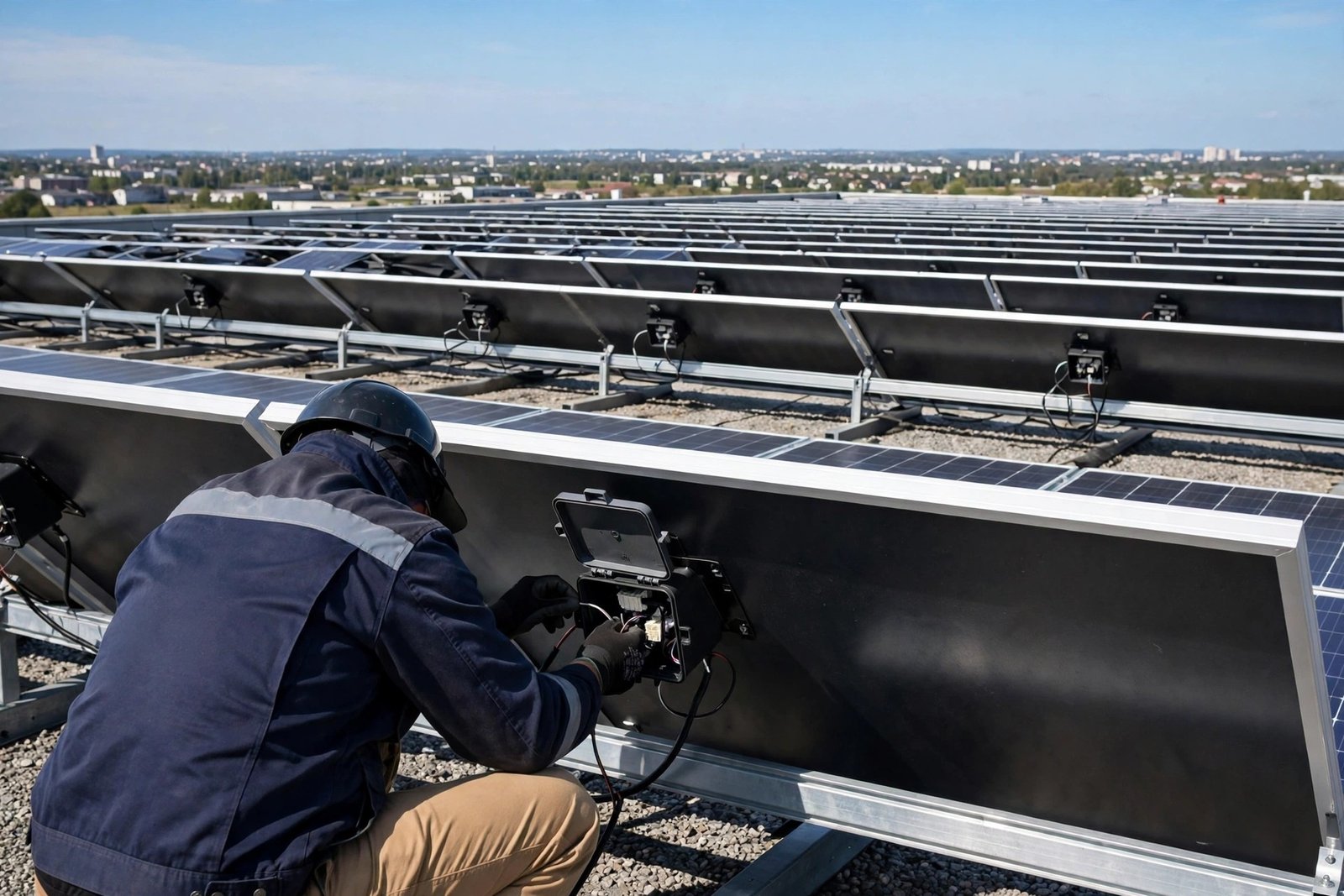
This is the single most common way homeowners void a solar panel warranty. Solar panels are sealed units. The glass, the frame, the junction box on the back, and the connectors are all factory-sealed, and most warranty terms state clearly that opening, cutting, or tampering with any sealed part ends the coverage.
It is tempting to fix a small problem yourself. A connector looks loose, a cable has come unclipped, or the junction box cover seems to be letting in water. But the moment you open the junction box, cut a cable, or replace a connector with a part the manufacturer did not approve, the manufacturer can argue that any later failure was caused by your work — and refuse the claim.
What counts as a DIY repair that can void the warranty?
- Opening the junction box or removing its sealed cover
- Cutting, splicing, or re-terminating panel cables
- Replacing an MC4 connector with a non-approved part
- Drilling into the frame to attach something
- Attempting to reseal cracked glass with silicone or resin
- Replacing a bypass diode yourself
Simple visual checks are fine. You can look at your panels from the ground, check your monitoring app, and note anything unusual. But anything that involves opening a sealed part or changing the wiring should be left to a qualified technician. If a cable is loose or a connector looks damaged, photograph it, switch the system off safely if you know how, and call your installer or a certified solar technician. Our step-by-step guide to fixing loose or corroded solar wiring explains why this work belongs to a professional.
Mistake 2: Hiring an Uncertified Technician
Not every repair has to be done by the company that installed your system, but most warranties require that any work on the panels is carried out by a qualified, certified professional. Hiring a general handyman, a roofer with no solar training, or a cheap unlicensed contractor to fix a panel problem can void the warranty just as surely as doing it yourself.
Manufacturers set this condition for a good reason: solar systems carry high-voltage DC electricity, and a badly done repair can damage the panel, the inverter, or the roof. A certified technician knows the manufacturer’s procedures, uses approved parts, and documents the work properly — which is exactly what the manufacturer needs to see if a warranty claim is filed later.
Before you hire anyone to work on your panels, check three things:
- Certification. Ask whether the technician is certified by a recognised solar body in your country, such as NABCEP in the United States or MCS in the United Kingdom, and whether they are approved by your panel manufacturer.
- Experience with your brand. A technician who has worked on your panel brand before is more likely to follow the manufacturer’s repair procedure.
- Documentation. Ask for a written record of the work done, including the parts used. Keep this with your warranty paperwork — it is your proof that the repair was done properly.
If your original installer is still in business, they are usually the safest first call, because they know your system and their workmanship warranty may still apply. If they have closed down, our guide on how to claim your solar panel warranty explains how to go through the manufacturer directly.
Mistake 3: Pressure Washing and Harsh Cleaning Products
Cleaning your panels is good maintenance — but cleaning them the wrong way can damage the glass, the seals, and the frame, and the manufacturer can treat that damage as your fault. The two most common cleaning mistakes are pressure washing and using harsh chemicals.
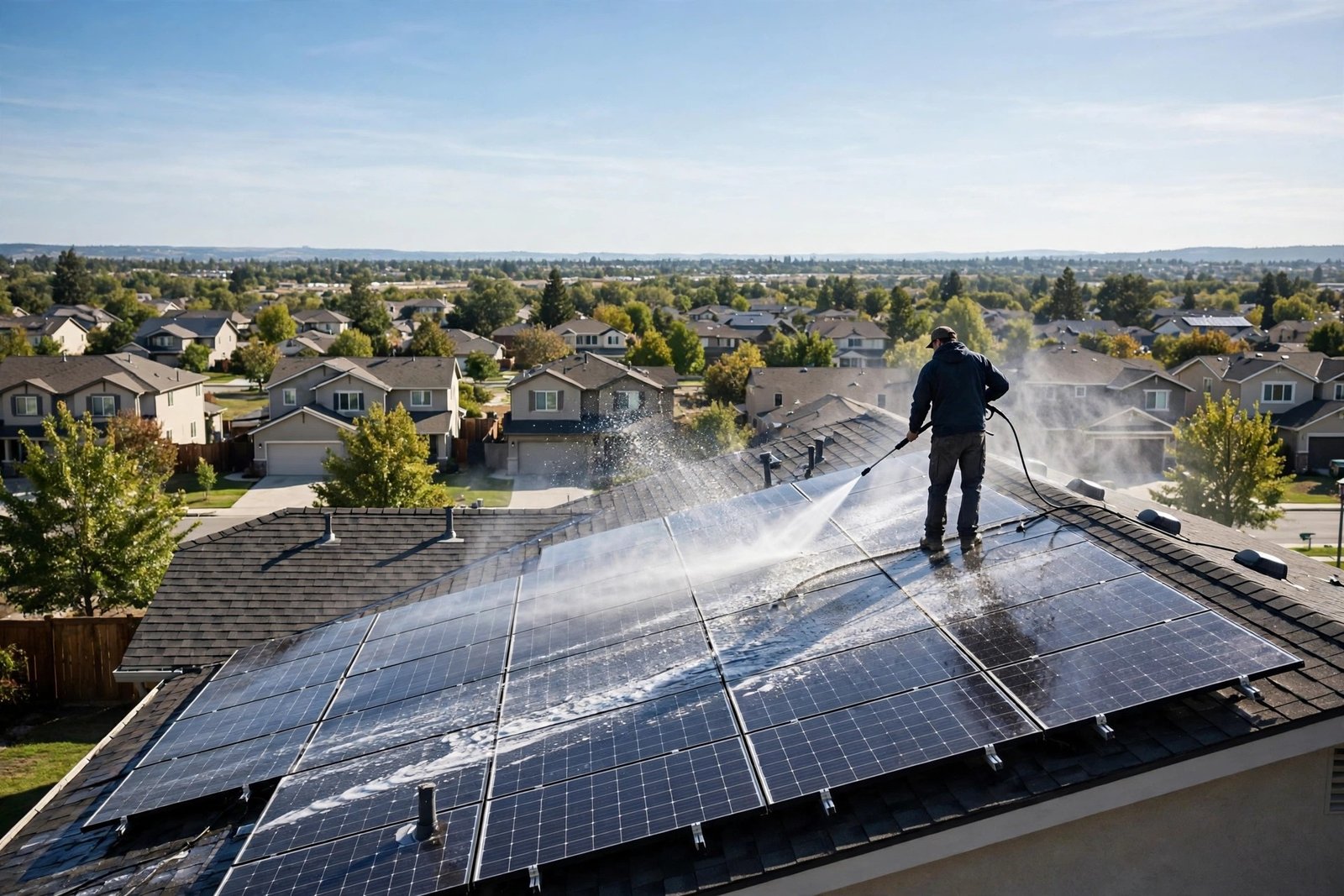
A pressure washer can force water under the panel frame and into the seals, crack the glass, and damage the junction box. Even a garden hose on a jet setting can be too strong. Most manufacturers recommend cleaning with a soft brush or sponge, lukewarm water, and a mild, non-abrasive soap — nothing stronger. Abrasive pads, metal scrapers, and stiff brushes can scratch the anti-reflective coating on the glass, and those scratches are permanent.
Chemical cleaners are just as risky. Bleach, ammonia-based glass cleaners, solvents, and strong detergents can damage the panel surface and the sealant around the frame. Some manufacturers list approved cleaning products in their warranty terms, and using anything else can void the coverage. Never use a cleaning product on your panels without checking the label and your warranty terms first.
The safe way to clean your panels is simple: wait for a cool, cloudy part of the day, rinse with plain water from a normal hose, wash gently with a soft brush and mild soap, and rinse again. Never clean panels in the middle of a hot sunny day, when cold water on hot glass can cause thermal shock. For the full safe method, see our guides on how to clean solar panels safely and the best cleaning solutions and tools — including what to avoid.
Mistake 4: Modifying the System Without Approval
Your warranty covers the system exactly as it was installed and approved. Any change you make without the manufacturer’s written approval can void it. This catches out more homeowners than you might expect, because the changes often seem harmless.
Common modifications that can void a warranty include:
- Adding panels from a different brand or model to the same string, which can change the electrical characteristics of the whole array
- Drilling into the frame to mount a camera, a bird guard, or a light
- Changing the inverter or charge controller to a model the manufacturer has not approved for your panels
- Rewiring strings to a different layout, for example to work around a shaded panel
- Painting or coating the panels with a reflective or protective product
- Attaching anything to the panel surface with adhesive, screws, or clamps that were not part of the original mounting system
If you want to expand your system, add a battery, or change any component, contact your installer or the manufacturer first and get written approval. A short email asking “Can I add two more panels of this model to my existing array?” costs nothing — and the written answer protects you if a claim is ever questioned. Keep that written approval with your warranty documents.
Mistake 5: Removing and Reinstalling Panels Without Authorisation
There are good reasons to take panels off a roof: a roof repair, a re-roof, or storm damage to the mounting system. But removing panels is a job for a certified installer, and most warranties require the manufacturer or installer to be told — and sometimes to approve the work — before the panels come down.
The risk is not just the removal itself. Panels can be damaged during handling, stored incorrectly, or reinstalled with the wrong torque on the clamps. A panel that is dropped, stacked face-down, or left leaning against a wall in the sun can develop microcracks that only show up months later as a performance drop. If the manufacturer finds that the panels were removed and reinstalled by someone unauthorised, a later claim for those cracks can be refused.
If you need roof work done, tell your solar installer before the roofer starts. A proper removal and reinstallation follows a set process: the system is shut down safely, panels are labelled so they go back in the same positions, cables and connectors are protected, and everything is tested after reinstallation. For an idea of what the work involves and what it costs, see our guide to solar panel removal and reinstallation costs. If your roof is leaking around the mounts, our guide on fixing a roof leak around solar panel mounts explains why the flashing and the panels need to be handled together.
Mistake 6: Failing to Register the Warranty or Keep Records
Some warranties are automatic from the date of installation. Others only start when you register the product with the manufacturer, sometimes within a set period such as 30, 60, or 90 days after installation. If registration is required and you never do it, the manufacturer may treat the warranty as never having started — or limit it to a shorter default period.
Even when registration is not required, poor record-keeping can sink a claim. When you file a warranty claim, the manufacturer will usually ask for:
- The purchase or installation invoice showing the date and the installer
- The panel model and serial numbers
- The warranty registration confirmation, if one was issued
- Monitoring data showing when the problem started
- Photographs of the problem
- Records of any maintenance or repairs, with the technician’s details
Keep all of these in one folder — physical or digital — from the day your system is installed. Photograph the serial number labels on the back of each panel before they go on the roof, because you will not be able to read them afterwards without removing the panels. Keep every invoice, every email from your installer, and every maintenance receipt. If you move house, hand the whole folder to the new owner, because many warranties transfer with the property only if the paperwork is complete. Our step-by-step warranty claim guide lists exactly what to gather before you contact the manufacturer.
Mistake 7: Waiting Too Long to Report a Problem
Warranties have time limits, and so do claims. If your monitoring app shows a panel producing far less than its neighbours, or you notice discolouration, a cracked frame, or water inside a panel, the clock starts ticking. Many warranty terms require you to report a defect “promptly” or within a set period after you discover it — sometimes as short as 30 days.
Waiting is risky for two reasons. First, the manufacturer can argue that the damage got worse because you did not report it, and refuse to cover the extra damage. Second, a fault that is left alone can damage other parts of the system. A panel with a failing bypass diode, for example, can overheat and damage the panels next to it, and the manufacturer may cover only the original fault — not the damage that spread because the problem was ignored.
Get into the habit of checking your monitoring app once a week and looking at your panels from the ground once a month. Note the date when you first spot anything unusual, take a photograph, and contact your installer or the manufacturer the same week. A written record — an email is ideal — proves when you reported the problem and stops any argument about delay.
The 7 Mistakes at a Glance
| Mistake | What happens | What to do instead |
|---|---|---|
| DIY repairs, opening sealed parts | Manufacturer blames the failure on your work | Call a certified technician; only do visual checks yourself |
| Hiring an uncertified technician | Repair not recognised as authorised work | Use a certified, manufacturer-approved technician |
| Pressure washing, harsh chemicals | Glass, seals, and coatings damaged | Soft brush, lukewarm water, mild soap only |
| Modifying the system without approval | System no longer matches the warranted design | Get written approval from the manufacturer first |
| Unauthorised removal and reinstallation | Handling damage blamed on the removal | Have a certified installer remove and reinstall the panels |
| No registration or missing records | Claim refused or warranty treated as never started | Register on time; keep invoices, serial numbers, and receipts |
| Reporting a fault too late | Claim refused for late notification | Report problems in writing within days of spotting them |
How to Check Whether Your Warranty Is Still Valid
If you are not sure whether your warranty is still in force, work through these steps:
- Find your warranty document. It should be in the handover pack from your installer. If you cannot find it, search the manufacturer’s website for your panel model — most publish their warranty terms online.
- Check the start date and length. The product warranty usually starts on the installation date, not the date you bought the panels. Note the end dates for the product warranty, the performance warranty, and the inverter warranty separately.
- Read the exclusions section. This is the part that lists what voids the warranty. Look for words such as “unauthorised”, “modification”, “misuse”, “improper maintenance”, and “failure to register”.
- Check whether registration was required. Look for a registration confirmation email or certificate. If you never registered and the terms required it, contact the manufacturer and ask whether late registration is possible.
- Review your maintenance and repair history. If any work was done on the system, check who did it and whether you still have the paperwork. Missing paperwork is not the same as a voided warranty, but it makes a claim much harder.
- Ask the manufacturer directly. If anything is unclear, email the manufacturer’s warranty department with your panel model and serial numbers and ask them to confirm the warranty status in writing. A written confirmation is worth keeping.
What to Do If You Have Already Made One of These Mistakes
Finding out that you may have voided your warranty is stressful, but it does not always mean the warranty is lost. Here is what to do, in order:
Stop and do not make it worse. If you have opened a junction box or cleaned the panels with the wrong product, do not try to fix it again yourself. Leave the system as it is and switch it off safely if you know how.
Be honest with the manufacturer. When you contact them, describe exactly what happened. Manufacturers deal with these situations every day, and a small mistake — such as one clean with the wrong soap — does not always void the whole warranty. What usually kills a claim is a failure that can be traced directly to the mistake, or a pattern of misuse.
Ask for a written decision. If the manufacturer says the warranty is void, ask for the decision in writing, with the exact warranty clause they are relying on. Read that clause yourself. Sometimes the clause does not actually cover your situation, and a polite challenge with the facts can get the decision reviewed.
Check your other cover. If the warranty will not pay, your homeowners insurance may cover accidental damage — see our guide on homeowners insurance for damaged solar panels. Your installer’s workmanship warranty may also still apply if the problem relates to the installation rather than the panels themselves.
Get an independent inspection. A certified solar technician can inspect the system and write a report on what caused the fault. If the report shows the fault is a manufacturing defect unrelated to your mistake, it strengthens your case considerably.
When to Call a Professional
Call a certified solar technician or your installer before you touch the system if:
- A panel is cracked, discoloured, or has visible burn marks
- Your monitoring app shows a panel producing far less than the others
- You can smell burning or see smoke near the panels or inverter
- A cable, connector, or junction box looks damaged or loose
- Water is getting into a panel or the junction box
- You need panels removed for roof work
- You want to add panels, a battery, or a different inverter
- You are unsure whether a cleaning product or method is approved
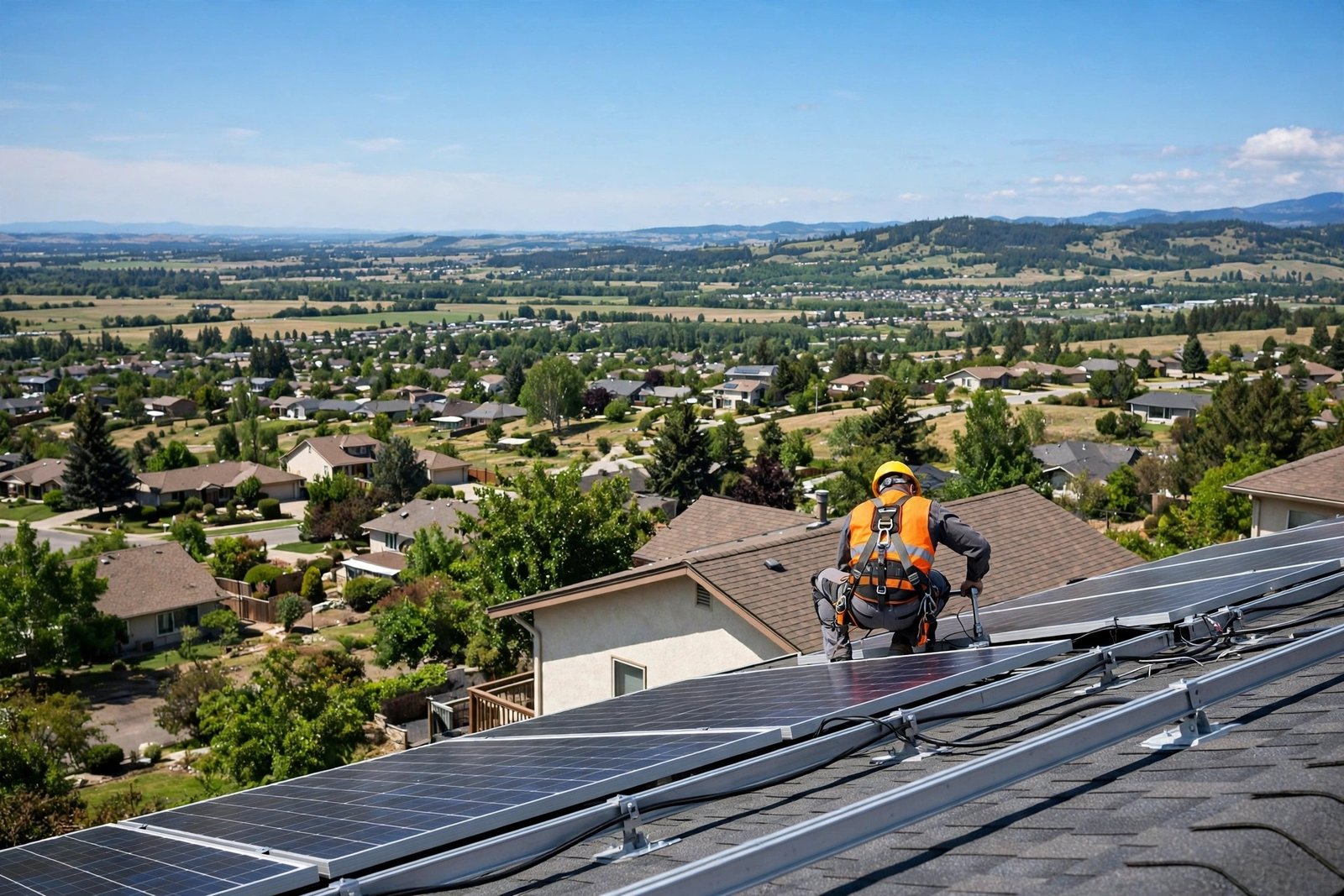
Never climb onto the roof to inspect or repair panels yourself, and never open live electrical equipment. Solar panels produce electricity whenever light falls on them, even when the inverter is switched off, so a damaged panel can still be live. A professional has the training, the safety equipment, and the insurance to do this work safely.
FAQs
Does cleaning my solar panels void the warranty?
No — normal cleaning does not void the warranty, as long as you use the method the manufacturer recommends. Soft brush, lukewarm water, and mild soap are safe. Pressure washers, abrasive pads, and harsh chemicals can damage the glass and seals, and that damage can void the warranty.
Can I repair a cracked solar panel myself?
No. A cracked panel should be handled by a certified technician. DIY repairs, including resealing cracked glass, can void the product warranty, and a cracked panel can still be electrically live. Contact your installer or the manufacturer to start a warranty claim.
Does adding more panels void my existing warranty?
It can, if the new panels are a different brand or model, or if the change is made without the manufacturer’s approval. Always get written approval before expanding or changing your system, and keep that approval with your warranty documents.
What if my installer used an uncertified subcontractor?
Contact your installer first and ask for the subcontractor’s credentials in writing. If the installer cannot provide them, contact the panel manufacturer and explain the situation. Keep every document and email — if a claim is disputed, a paper trail showing you acted in good faith helps.
Does a warranty transfer to the new owner if I sell my house?
Many solar panel warranties do transfer with the property, but usually only if the warranty was registered and the paperwork is complete. Check your warranty terms for a transfer clause, and hand the full documentation folder to the buyer when you sell.
Can a warranty be reinstated after it has been voided?
Sometimes. A manufacturer may reinstate a warranty after an authorised inspection confirms the system is undamaged, or after an approved repair is carried out. Ask the manufacturer in writing what would be needed. There is no guarantee, but it is always worth asking.
Is storm damage covered by the warranty?
Usually not. Storm, hail, and flood damage are normally excluded from panel warranties and are a matter for your homeowners insurance. The warranty covers manufacturing defects and performance failures, not damage caused by the weather or accidents.
Conclusion
Your solar panel warranty is one of the most valuable things that comes with your system — it can be worth thousands of dollars if a panel fails years after installation. Protecting it costs nothing: do not open sealed parts, do not repair anything yourself, use only certified technicians, clean the panels gently with approved methods, get written approval before changing anything, keep your registration and paperwork in order, and report problems promptly.
Most warranty mistakes happen because a homeowner did not know the rules, not because they were careless. Now you know them. Read your warranty terms today, check that your registration is complete, and put your documents in one safe place. If anything goes wrong with your panels in the future, you will be glad you did — because a valid warranty turns a costly replacement into a phone call.
Pingback: DIY Solar Repair vs. Hiring a Pro: What You Can Fix Safely Yourself - Solar Fixing Guide